The Mythological Origins
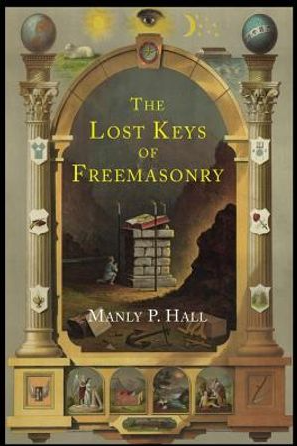
Historically popularized by occult scholars like Manly P. Hall and Albert Pike, the concept originates from allegorical tales in Kemetic (Ancient Egyptian) temple rituals.
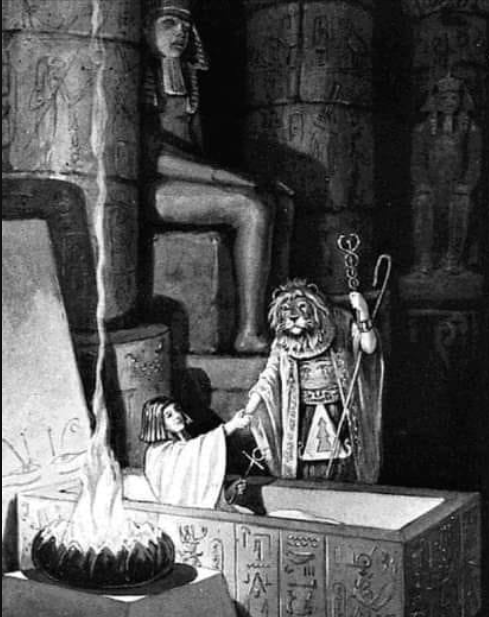
- The Ritual: During the Pyramid Mysteries, the presiding priest often wore a lion’s mask and carried an Ankh (symbol of life).
- The “Raising”: A candidate lying on the floor in a state of spiritual slumber or symbolic death was “raised” to life and enlightenment using a specific grip.
- The Transformation: By this grip, the spirit of the initiate—formerly buried in the “tomb of substance” or material world—was awakened, entitling them to the wages and status of an initiate.
Esoteric Symbolism
The symbol is densely layered with spiritual meaning:
- Resurrection & Light: Just as the sun (often associated with the lion in astrology) rises to conquer darkness, the Lion’s Paw signifies the spiritual sun raising the dead and liberating human potential.
- The Lion of the Tribe of Judah: In later Judeo-Christian and Masonic traditions, the grip connects directly to spiritual sovereignty, the resurrection of the soul, and the promise of eternal life.
- The Five Points of Fellowship: In ceremonial Freemasonry, the grip is linked to bodily contact and the concept of brotherly love, duty to fellow men, and the shared connection of divine purpose.